
West Vancouver properties often include higher-value homes and strata developments with complex systems and premium materials. A depreciation report helps protect these investments through structured, long-term planning.
OurCastle provides detailed, easy-to-use reports that support informed financial and maintenance decisions.
A depreciation report provides a roadmap for future repairs and replacements. It allows you to:
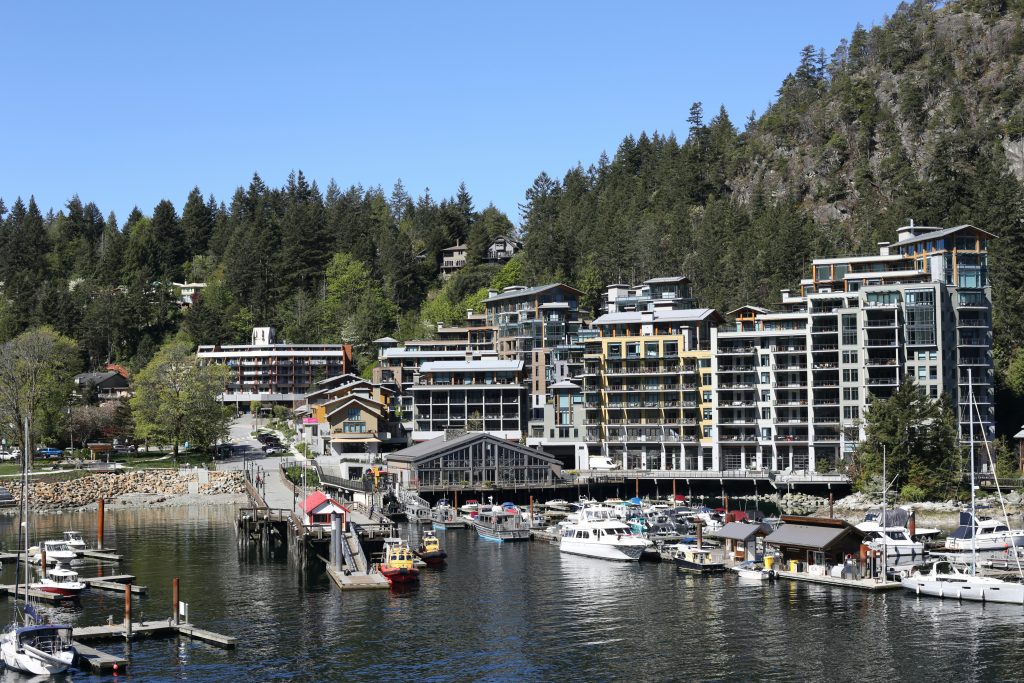
Properties in West Vancouver often involve coastal exposure, sloped sites, and higher-end construction materials. These factors can influence maintenance cycles, repair costs, and long-term planning requirements.
A depreciation report incorporates these variables to provide realistic projections.
Each report provides:
Schedule a Depreciation Report in West Vancouver
For properties in West Vancouver, proactive planning is essential to maintaining value over time. Contact OurCastle to learn more or request a depreciation report.
It depends on your province / state. In British Columbia, Stratas with 5 or more units must obtain a Depreciation Report and renew it at least every 5 years. In Alberta, Saskatchewan, and Manitoba, similar requirements apply for Condominiums under each province’s legislation, though the specifics and exemptions vary.
In British Columbia, the Strata Property Act and Strata Property Regulation require most strata corporations to obtain a Depreciation Report to properly plan for long-term maintenance, repairs, and replacement costs of their common property and common assets.
The cost of a depreciation report in BC varies depending on building size, complexity, age, and available documentation.
While fees can range widely, most strata corporations should expect a minimum of $5,000 plus for small or simple properties, with larger or more complex buildings reaching higher amounts.
The best way to get an accurate number is to request a proposal tailored to your building’s individual components, condition, and reserve fund needs.
Under the Strata Property Act, a strata corporation must update its depreciation report at least every five years. This five-year cycle ensures:
Lifecycle estimates and replacement costs remain accurate
The most recent depreciation report reflects current market conditions
The financial forecasting section and funding models remain realistic
The contingency reserve fund stays on track
Councils don’t indefinitely defer major capital planning
Many strata corporations choose to update more frequently, especially following major building renewals, large expenditures from the operating fund, or significant changes to common property.
Under BC strata regulations, a depreciation report must be prepared by a qualified person. This includes professionals with expertise in building systems, asset management, and long-term capital planning.
A Depreciation Report that fits your organizational goals and circumstances allows you to:
Our reputation is built on delivering tools that drive results. Informative meetings, detailed conversations, and collaborative planning are key to our method.
Want to see what that feels like?